
This Easter, five fashion houses released chocolate eggs. Dior, Louis Vuitton, Gucci, Prada and Bvlgari, houses whose handbags range from four to five figures, each put a chocolatier to work on a seasonal, limited, edible object. It is worth asking why.
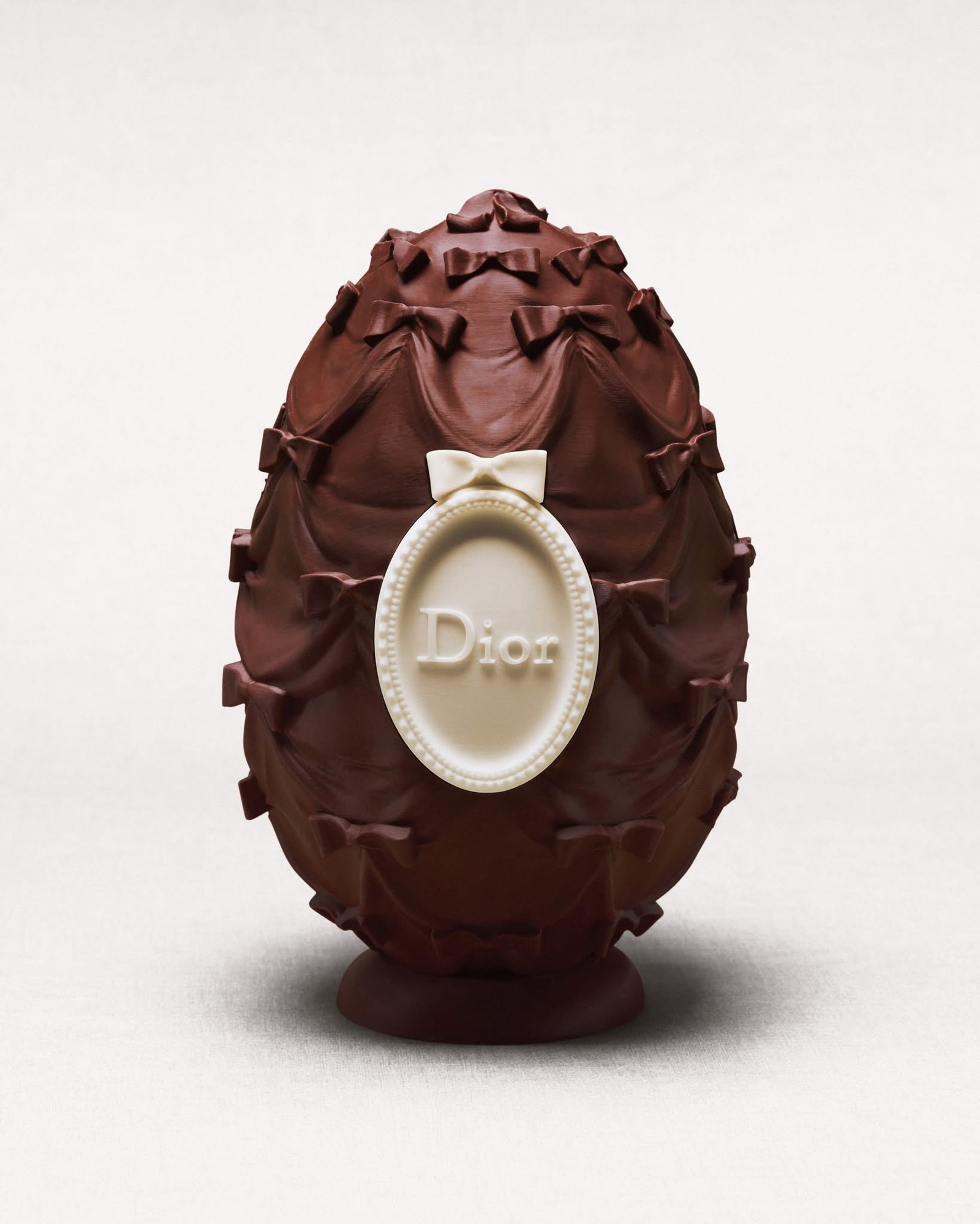
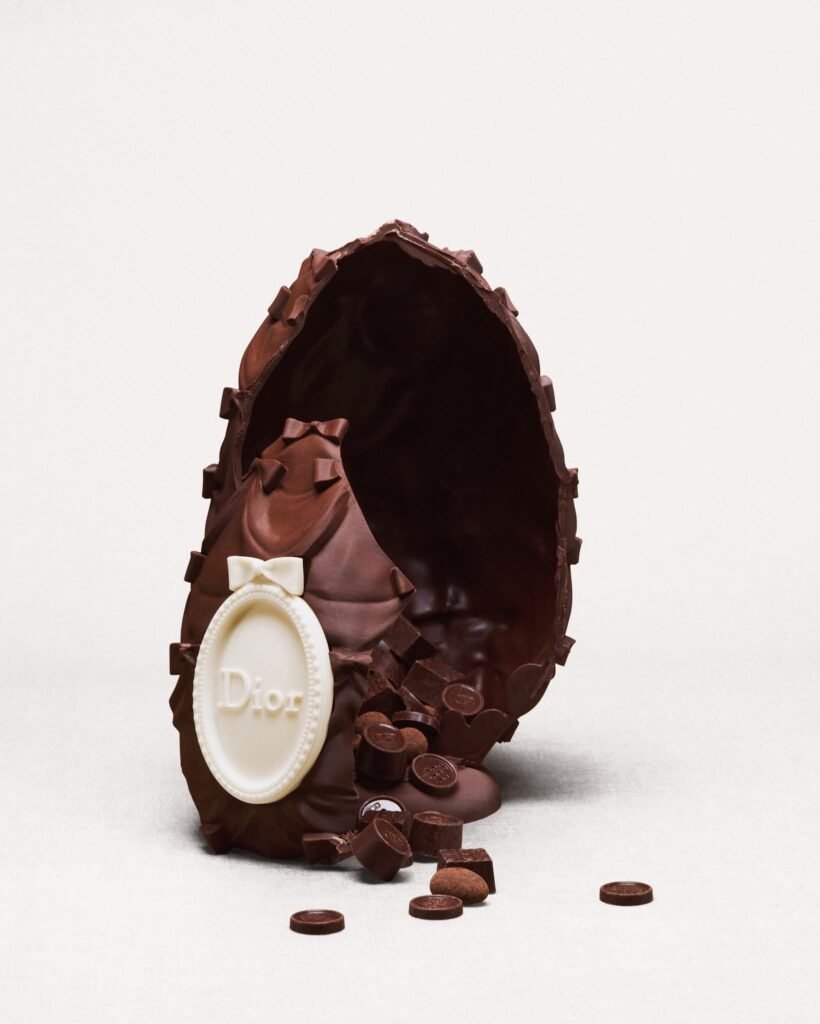
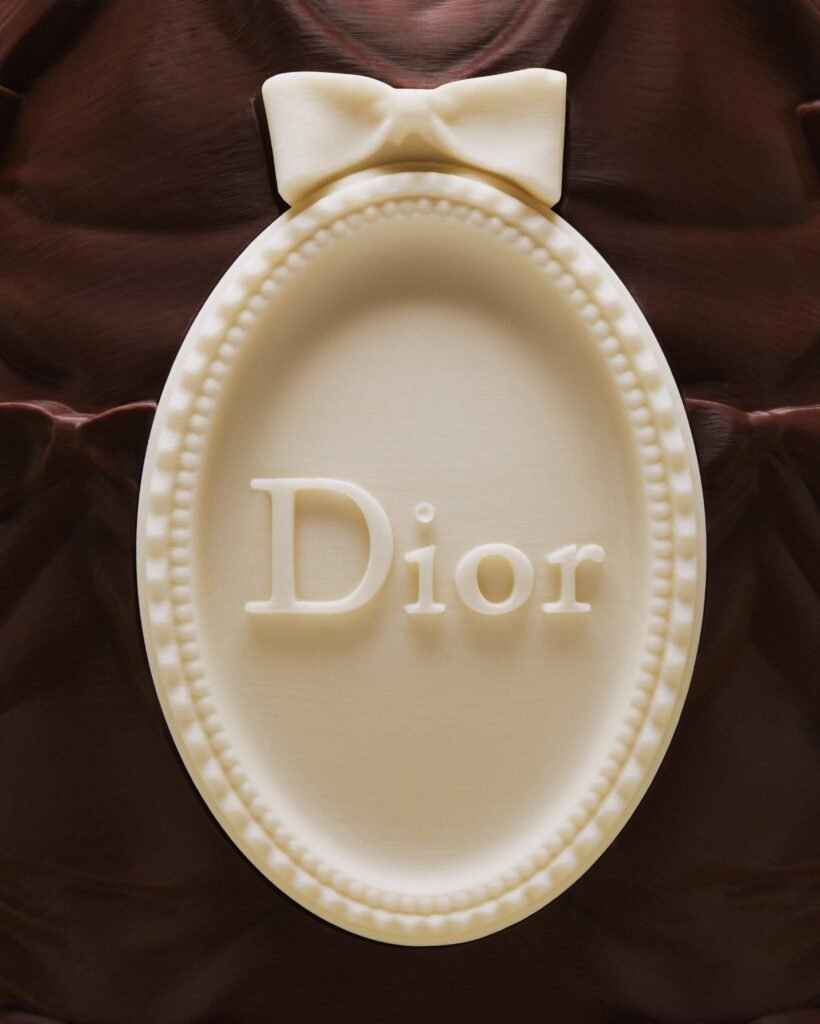
The Dior egg is the house’s first. Dark chocolate draped in tiny bows, its surface gathered like couture fabric. On its face, the house medallion in white chocolate, the word “Dior” set in the original 1946 Cochin typeface: capital D, lowercase ior. Jonathan Anderson chose that letterform deliberately when he was appointed creative director last year, returning the house to the typography Christian Dior used at its founding and away from the all-caps logo his predecessor had used for nearly a decade. The egg carries the same mark. Made by Yannick Alléno, the multi-starred chef who took over 30 Montaigne’s kitchens in 2025 and earned a Michelin star within seven months, it is priced at €180 and available exclusively at Le Jardin du 30 Montaigne in Paris.
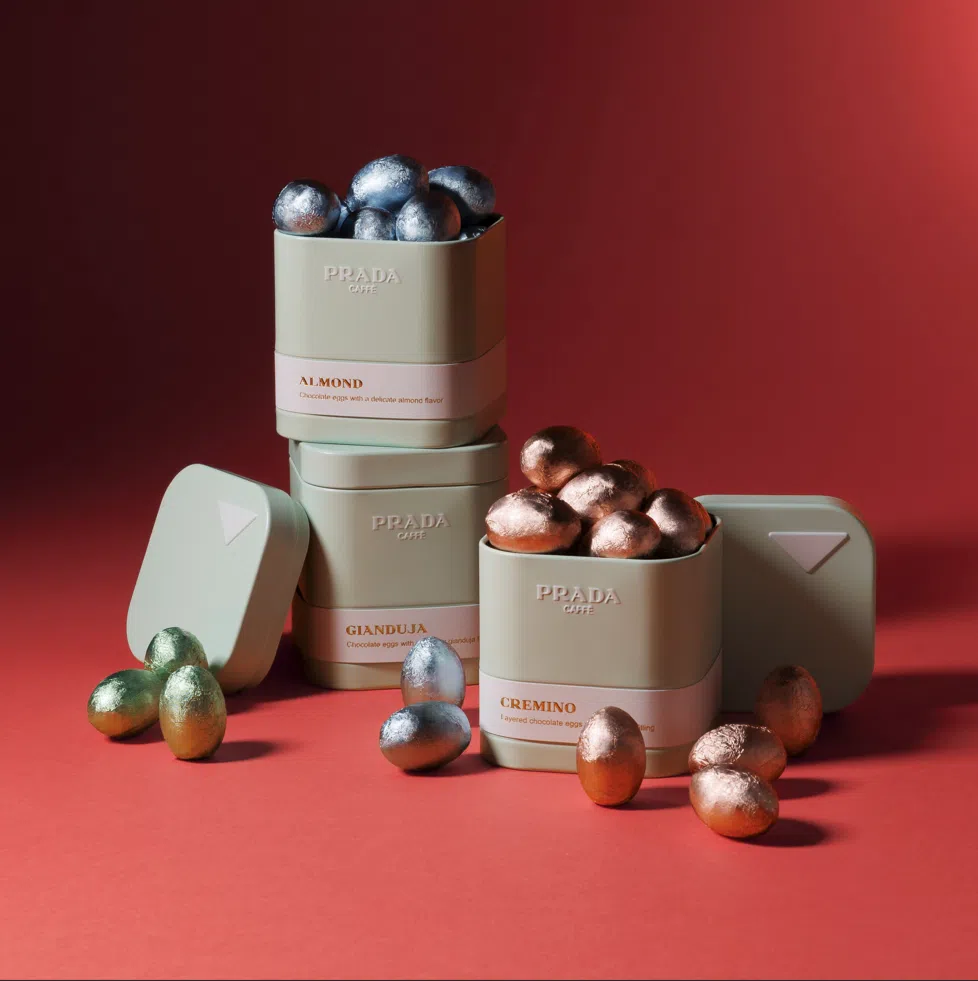
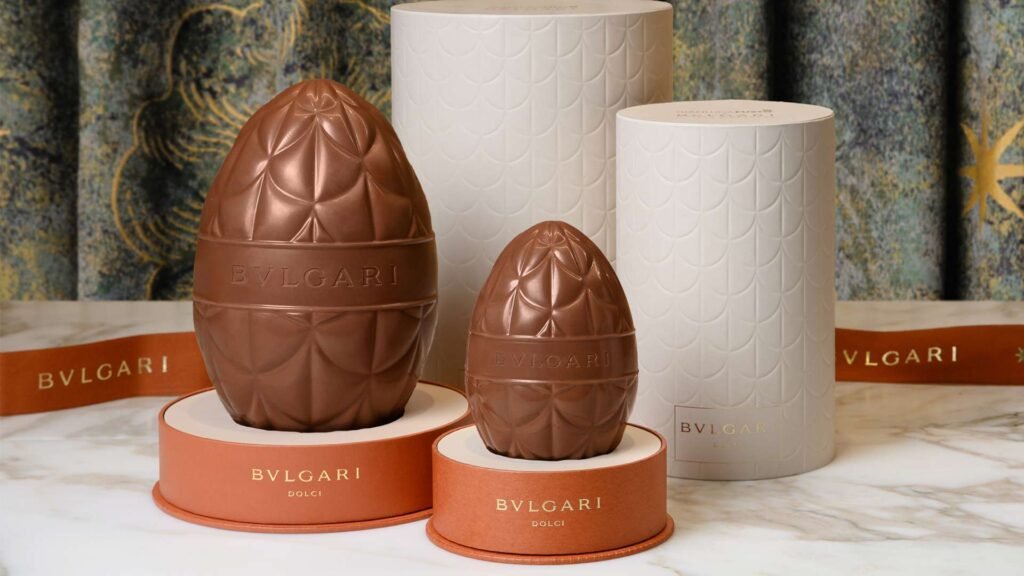
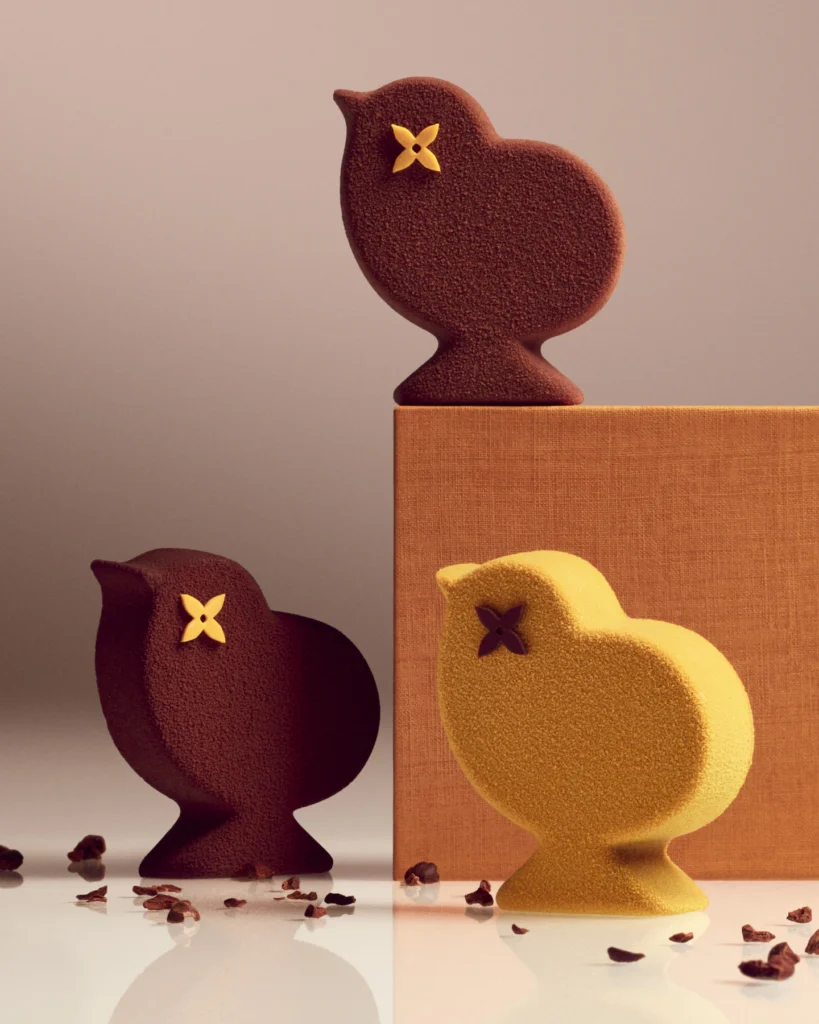
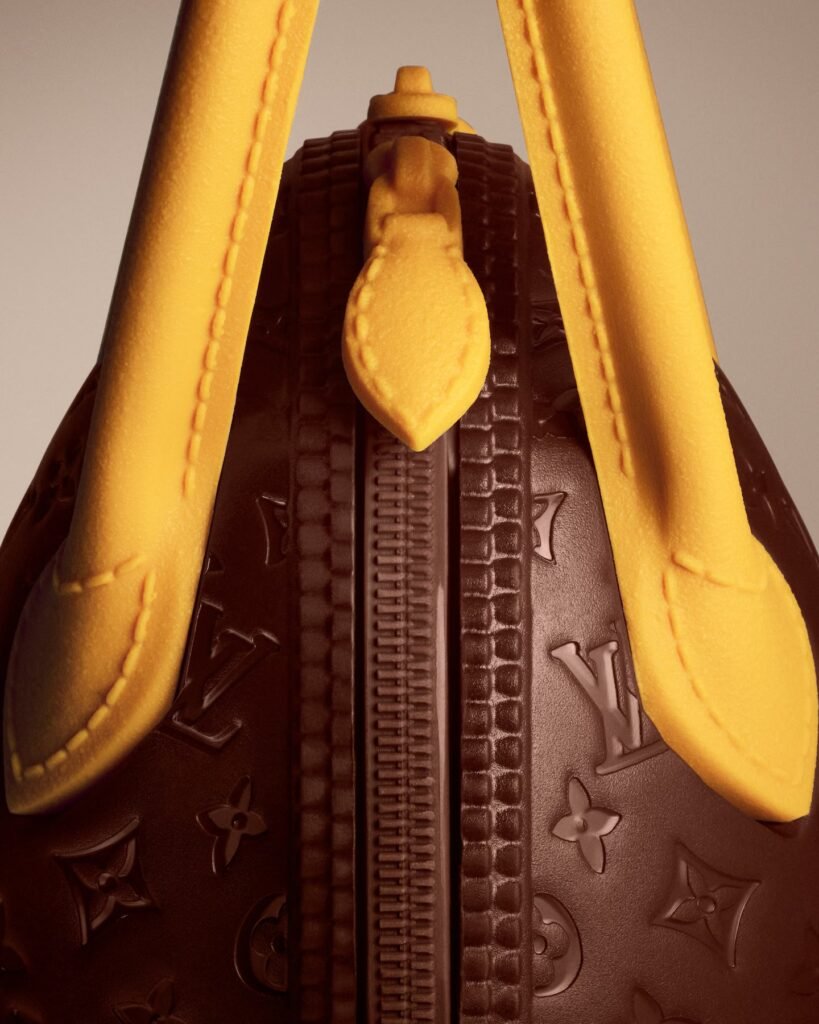
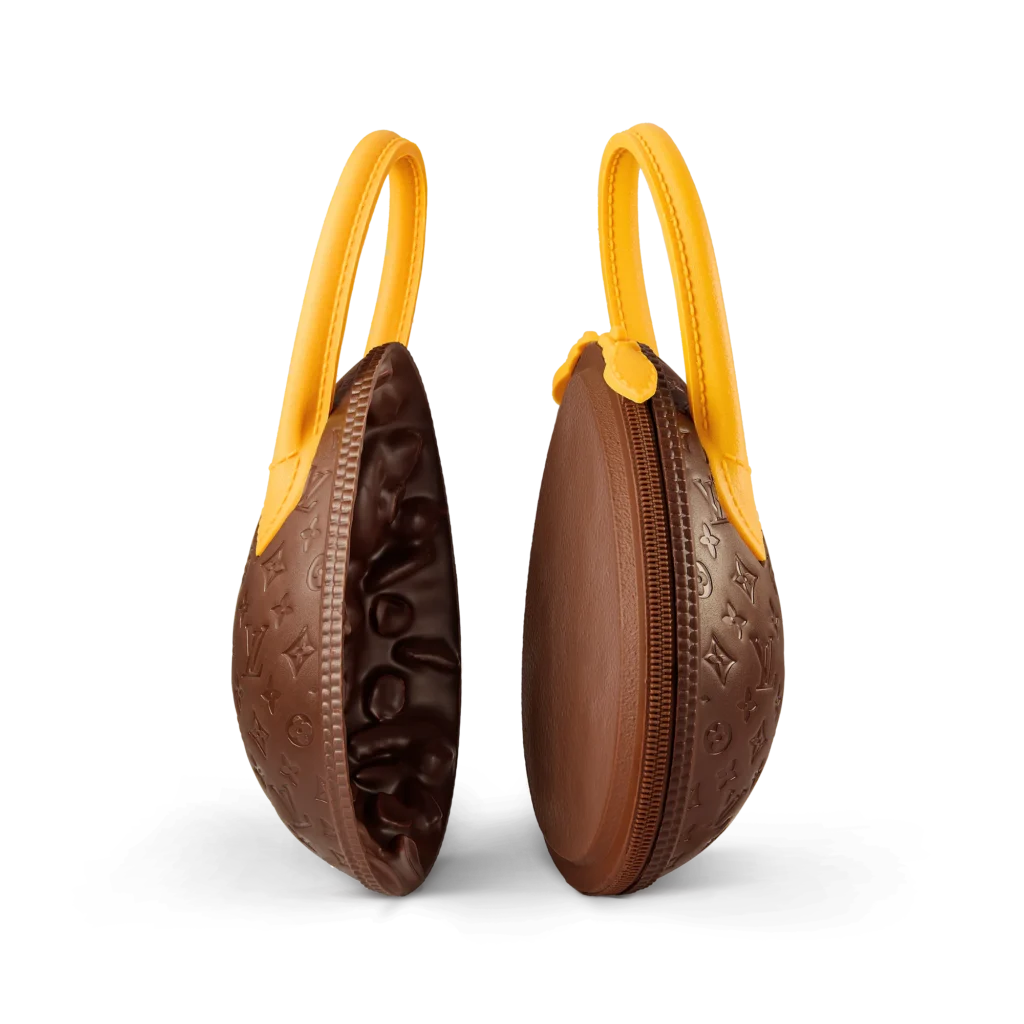
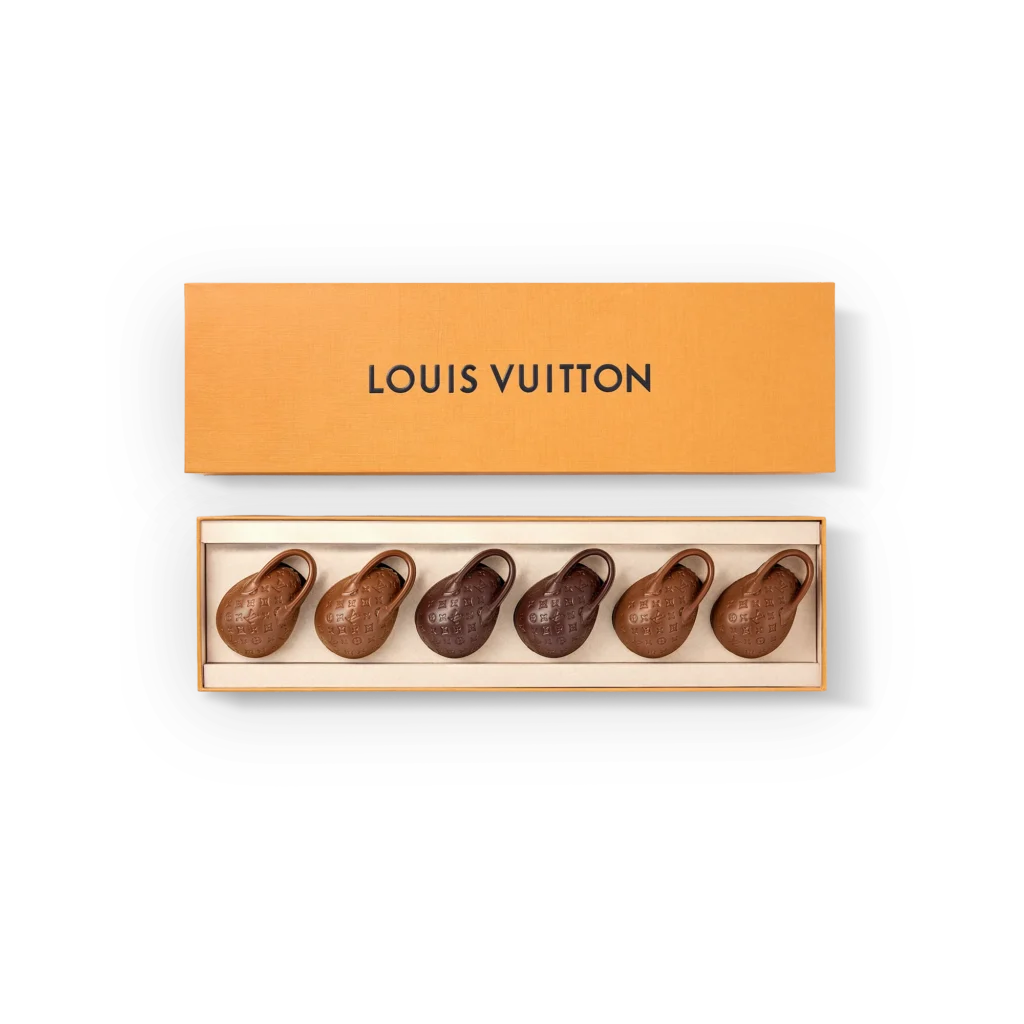
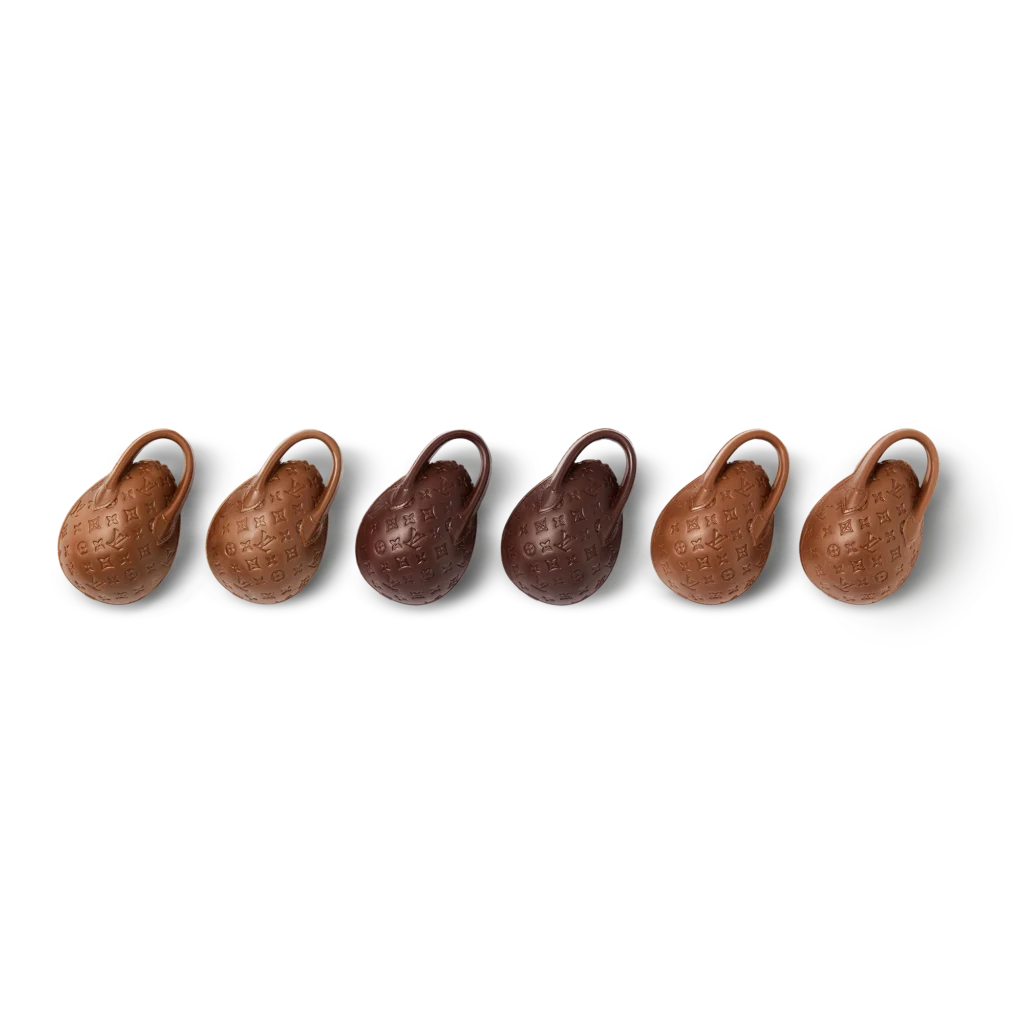
Louis Vuitton’s Maxime Frédéric, named World’s Best Pastry Chef in 2025, shaped a kilogram of dark chocolate into a bag — specifically Nicolas Ghesquière’s Egg Bag from the Spring-Summer 2019 runway, priced at €250. Gucci Osteria worked with master chocolatier Gabriele Maiolani of Odilla Chocolat on a milk chocolate egg with Trapani sea salt. Prada’s Marchesi 1824, one of Italy’s oldest pastry houses, piped swallows and flowers onto a two-kilogram dark chocolate egg and titled it The Return of the Swallows. Bvlgari’s master chocolatier Gianluca Fusto created the Uovo Calla, a faceted egg whose geometry references the mosaics of the Baths of Caracalla and the jewellery house’s Divas’ Dream collection.
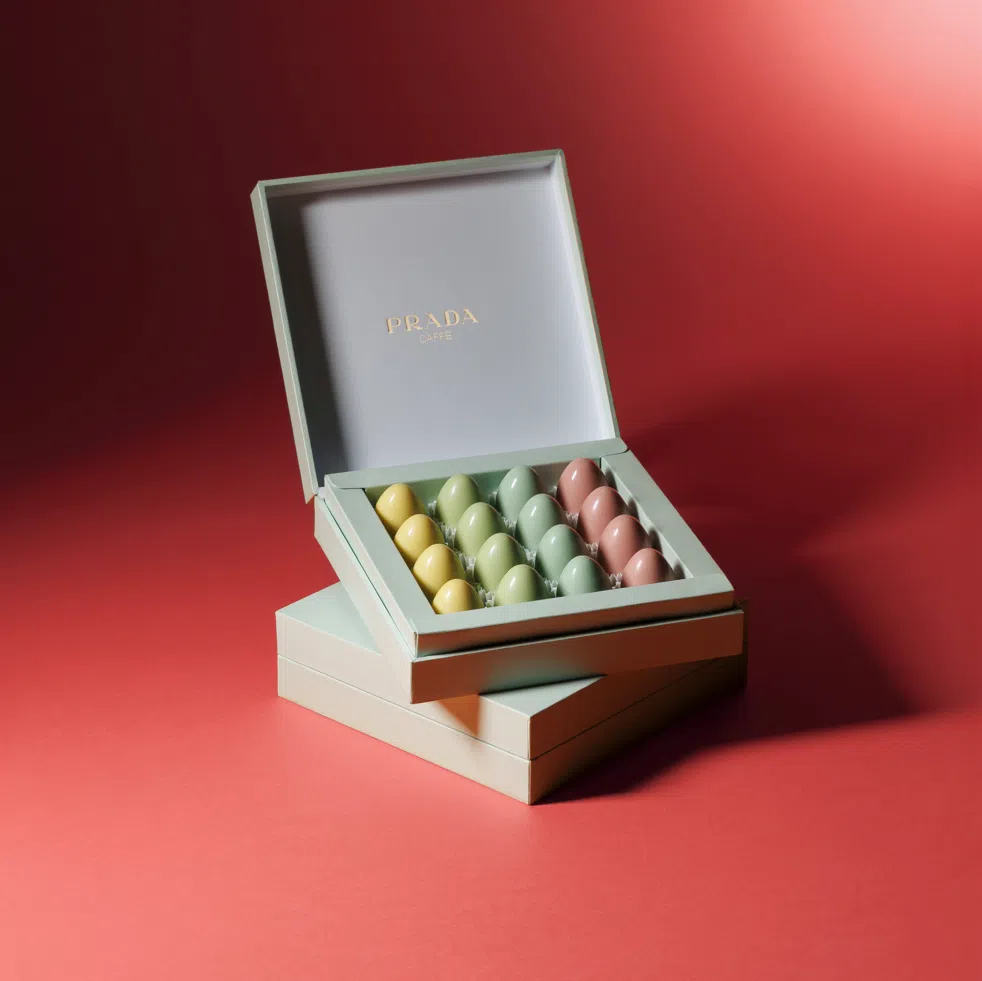
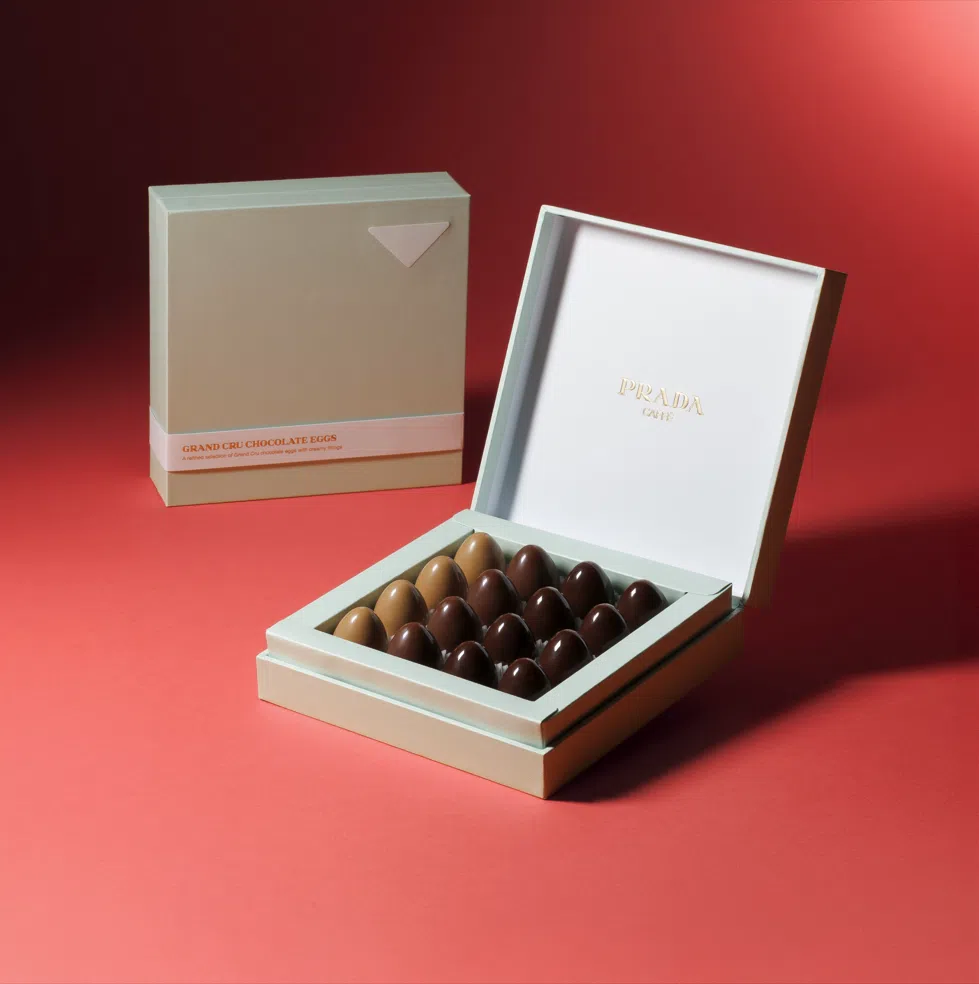
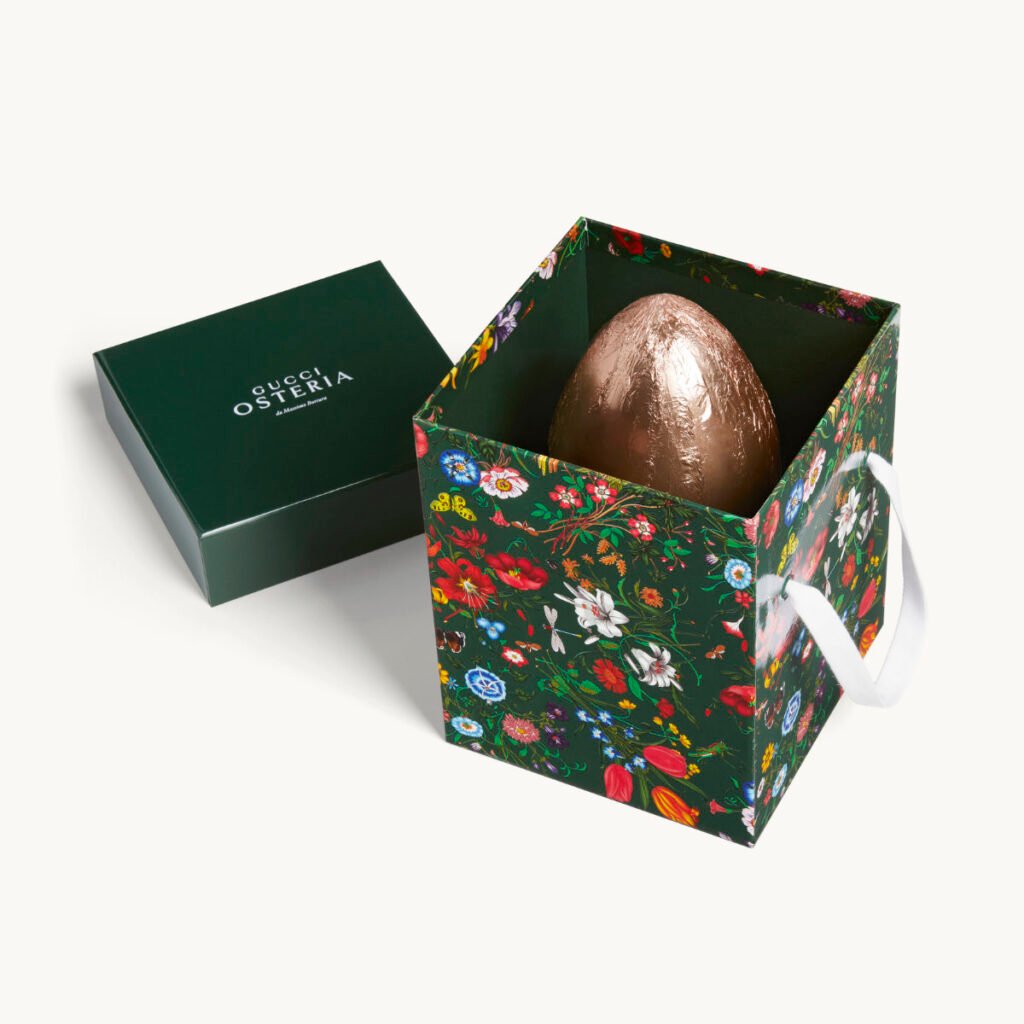
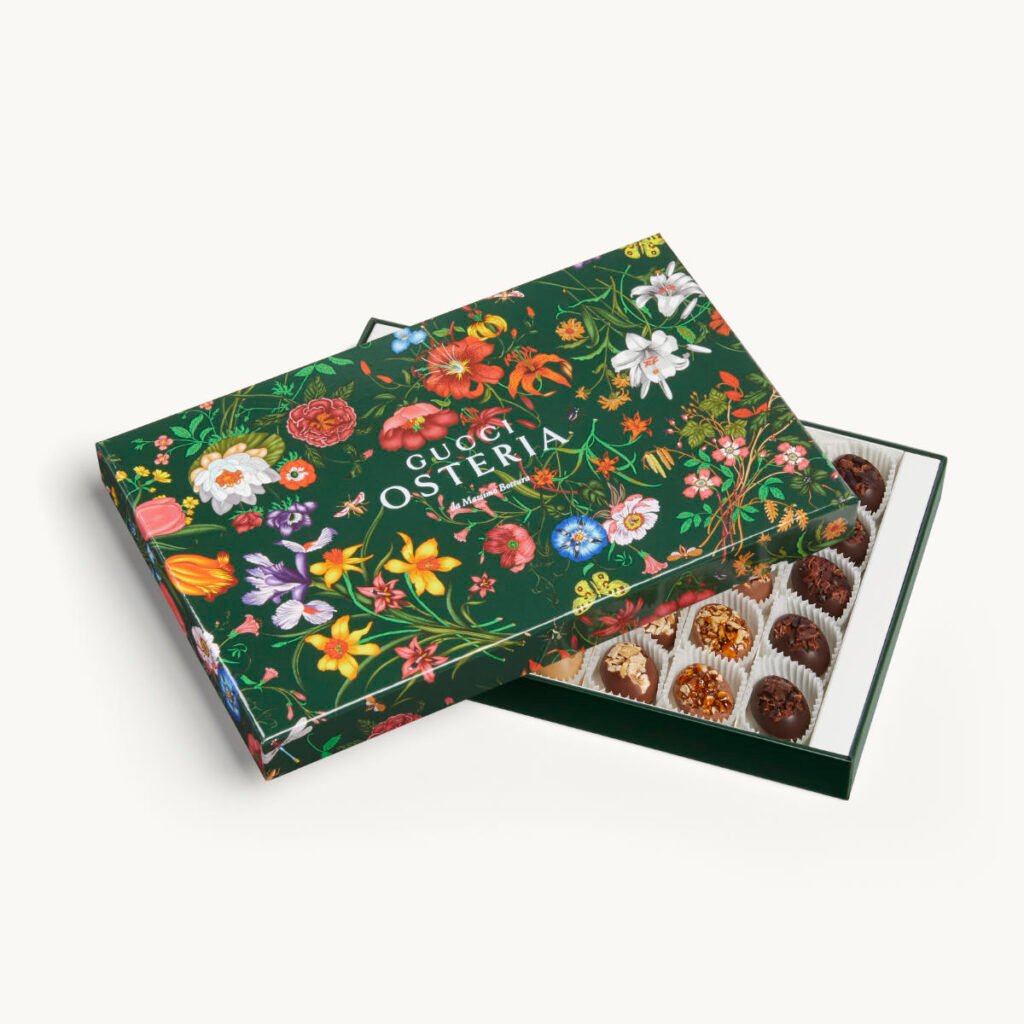
The bag is an investment. The egg is an invitation.
Luxury built its empire on desire deferred. You saved for the bag. You waited for it. The transaction carried weight — financial, social, emotional — and that weight was part of the appeal. Owning a Dior bag meant something partly because not everyone could.
Between 2019 and 2023, houses like Chanel, Dior and Louis Vuitton raised prices on their most iconic products by as much as 100 percent. A Lady Dior that once sat at the edge of what an aspirational customer could dream toward has moved well beyond it. That is a problem for houses whose cultural power depends on being desired by people who cannot yet afford them.
For €180 you get Jonathan Anderson’s creative vision for the house and Yannick Alléno’s pastry craft — in something you can hold, photograph, give to someone, and eat on Easter Sunday. You could buy a chocolate egg anywhere. You are choosing to buy this one. That choice is what these houses are selling.
At €250, the Louis Vuitton chocolate bag is the same logic taken further. A kilogram of dark chocolate shaped like a runway bag, made by the World’s Best Pastry Chef. You could spend €250 on many things. You are spending it on this, and on what it says about the kind of person who would.
Why Luxury Fashion Houses Are Investing in Food
The Easter egg is part of a larger pattern. For years these houses have been building food as a parallel universe to the boutiques — restaurants, cafés, chocolatiers. Food gives them something a boutique cannot: time with a customer who is not yet ready to buy the bag.
Desire cannot survive on exclusion alone. At some point the distance between a brand and the people who want it becomes so wide that aspiration becomes indifference. The chocolate egg works against that. At €180 it is still a premium object, but it sits within reach of an audience that a €6,500 bag does not. Available for a few weeks a year and then gone. It is a reminder of why you wanted the bag in the first place.